
Traveling With Respect: Honoring Navajo Heritage in Monument Valley This November
Every November, National Native American Heritage Month creates an opportunity to recognize the histories, languages, traditions, stories, and continuing contributions of Native peoples across the United States. For visitors coming to Monument Valley, it is also an opportunity to think more deeply about where they are traveling and whose homeland they are entering.
Monument Valley is not simply one of the Southwest’s most recognizable landscapes. It is part of the Navajo Nation, home of the Diné, and a place where culture, community, history, and connection to the land continue today.
At Adventurous Monument Valley Tours, sharing that perspective is an important part of what we do. Our Navajo guides take guests beyond the familiar viewpoints while providing cultural and historical context that cannot be gained simply by driving through the Valley.
November may be National Native American Heritage Month, but the principles behind respectful Navajo Nation travel matter every month of the year.
November Is National Native American Heritage Month
National Native American Heritage Month is observed each November. The U.S. Department of the Interior describes the month as a time to celebrate Native American and Alaska Native traditions, languages, stories, histories, and contributions while recognizing the diversity of Indigenous peoples and cultures.
That diversity is important.
Native American Heritage Month should not be treated as though Native peoples share a single culture or history. When traveling through Monument Valley, the relevant story is specifically that of the Diné and the Navajo Nation.
For visitors, November can be an invitation to learn more carefully. Rather than approaching Monument Valley solely as a famous destination to photograph or check off a road trip itinerary, travelers can take time to understand the community, culture, and living heritage connected to the land.
Monument Valley Is Navajo Land
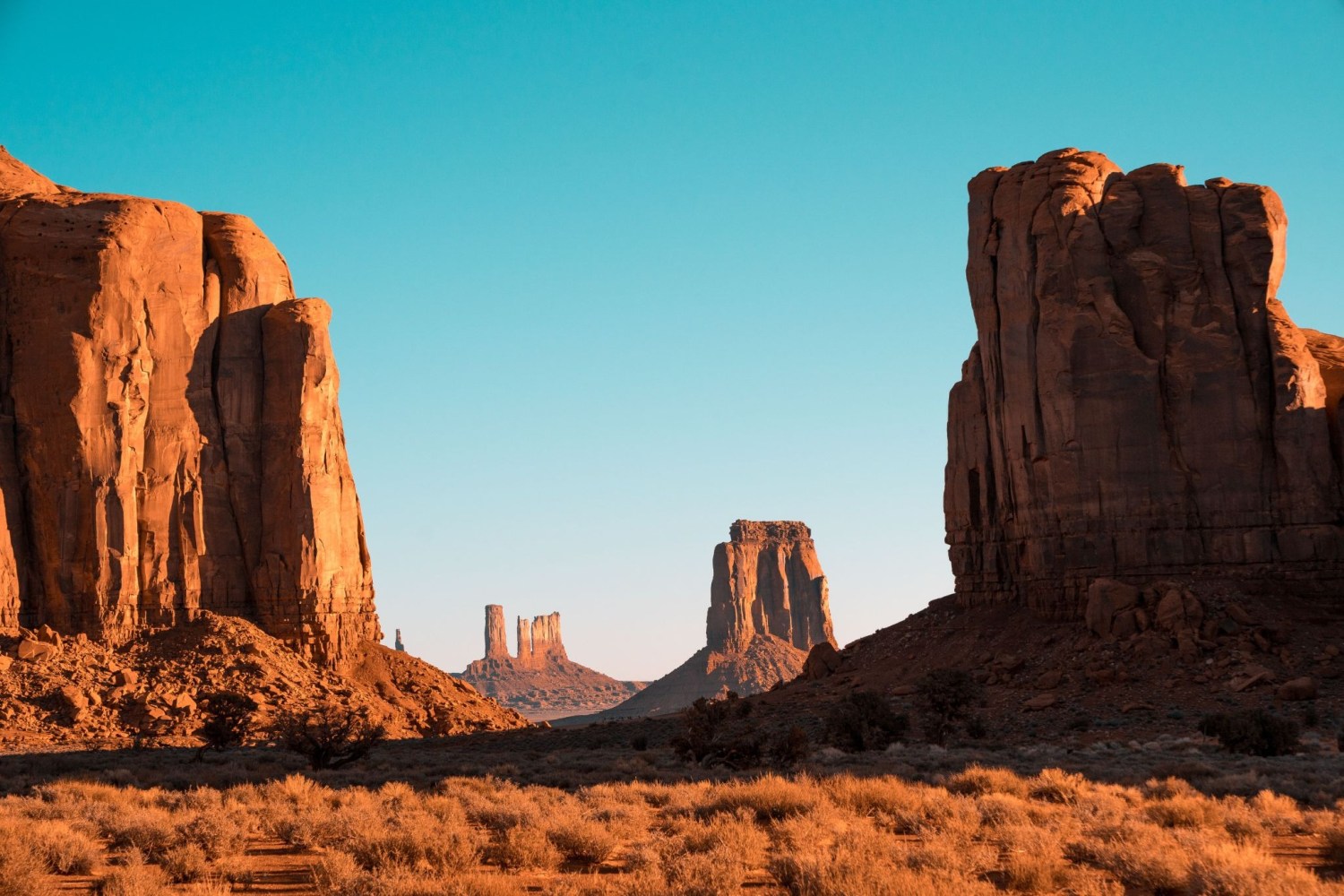
Monument Valley Navajo Tribal Park is located within the Navajo Nation and is managed by Navajo Nation Parks & Recreation. The park encompasses more than 91,000 acres across the Arizona and Utah border and is known in Navajo as Tsé Bii’ Ndzisgaii, commonly translated as Valley of the Rocks.
Knowing that changes how a visitor should approach the experience.
When guests travel here, they are not entering a conventional national park. They are visiting a tribal park within a sovereign, self-governing Native nation.
The Navajo Nation Tourism Department specifically reminds visitors that they are traveling within a sovereign nation and asks guests to follow Tribal laws, regulations, and local guidance.
Respect begins with recognizing that distinction.
It means understanding that some areas are restricted. It means staying on authorized roads and routes. It means treating archaeological sites, rock formations, cultural places, homes, animals, and the surrounding environment with care.
For visitors interested in learning before they arrive, the Navajo Nation Tourism Department offers guidance on how to travel respectfully on the Navajo Nation.
Navajo Heritage Is Living Heritage
One of the most important ideas to carry into National Native American Heritage Month is that Native heritage does not exist only in museums, historic sites, or stories from the past.
Navajo culture is living culture.
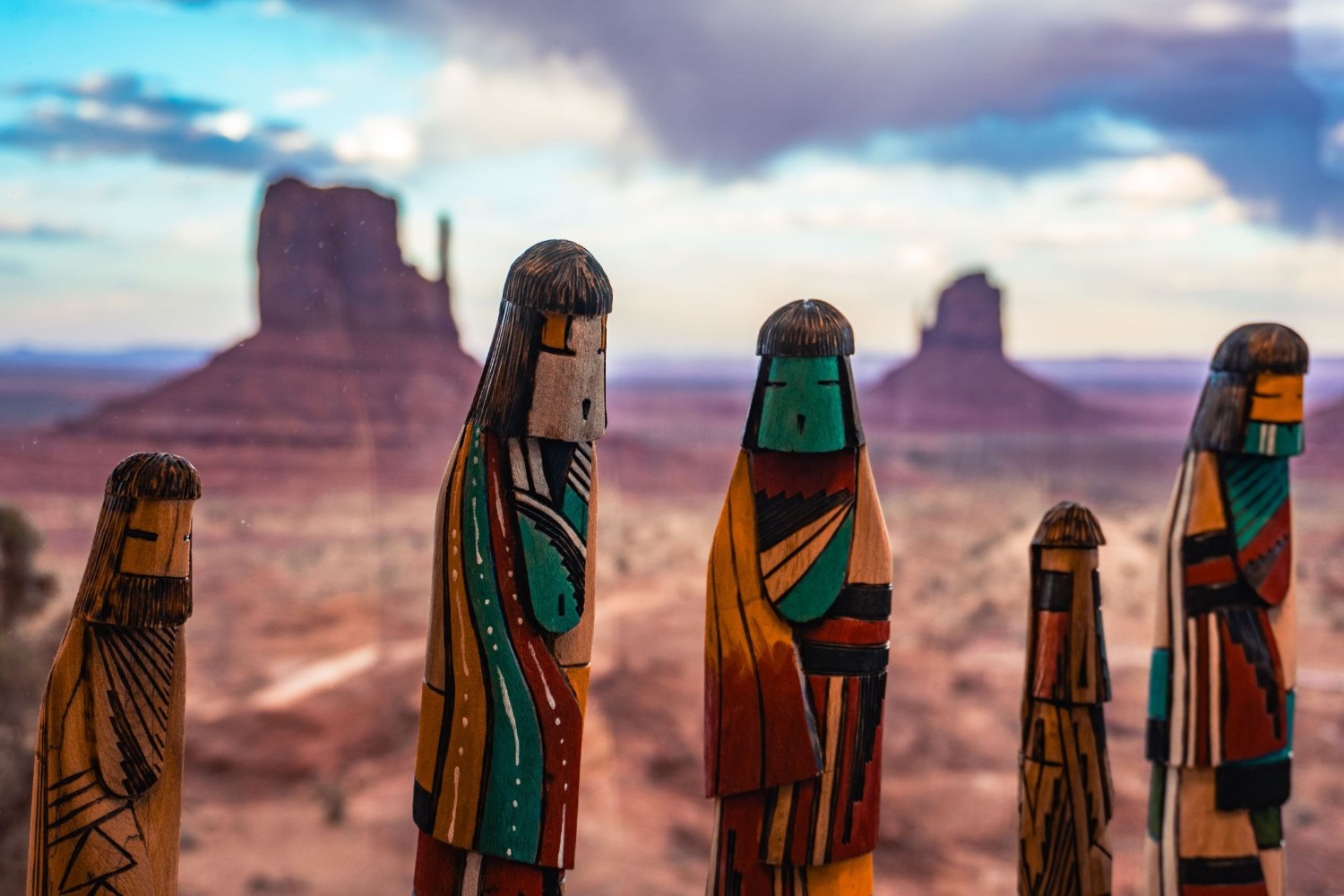
Diné families continue to live throughout the Navajo Nation. The Navajo language is still spoken. Artists continue longstanding traditions while creating contemporary work. Knowledge, stories, values, and connections to the land continue from one generation to the next.
Visitors may encounter Navajo vendors selling handmade jewelry, art, and other work throughout the Monument Valley area. Navajo Nation Parks & Recreation specifically encourages travelers to visit local vendors along the Valley route, giving guests an opportunity to purchase directly from artisans.
Supporting local artists and Navajo-owned businesses is one simple way visitors can make their travel more connected to the community they are visiting.
Listening is another.
When a local Navajo guide explains the history of a place or shares cultural context, that knowledge adds dimensions to Monument Valley that cannot be found simply by looking at the formations from a distance.
Why Learning From a Navajo Guide Matters
Our guides at Adventurous Monument Valley Tours are not there simply to point out recognizable landmarks.
They help guests understand more about the history, geology, culture, and significance of the landscape they are moving through. Our goal is to help visitors experience Navajo land in a way that is immersive, informed, and respectful.
That becomes especially meaningful during National Native American Heritage Month.
A Navajo-led experience gives travelers the opportunity to learn about Monument Valley from someone connected to the region rather than relying entirely on an outside interpretation of Navajo culture.
On our Monument Valley Backcountry 4WD Tour, guests spend approximately 2.5 hours traveling through areas that extend beyond the standard public route. Along the way, a local Navajo guide shares information about Monument Valley’s history, culture, and geology.
For travelers who want to understand why guided exploration makes such a difference, our guide to what to expect from a Navajo-guided Monument Valley experience explains how additional access and cultural context can change the way visitors experience the Valley.
Respect Sacred and Restricted Places
Not every place is open for independent exploration.
That is an important part of responsible travel within the Navajo Nation.
Official Navajo Nation visitor guidance prohibits entering areas marked as off-limits, off-road travel on backcountry roads, removal of rocks or artifacts, defacing ruins or rock structures, and entering private residential property. Visitors are also asked to respect the privacy of cultural and religious activities.
Navajo Nation Parks & Recreation similarly asks visitors to stay on designated routes and emphasizes the importance of protecting Tribal Park lands.
A guided tour can help take the uncertainty out of that responsibility.
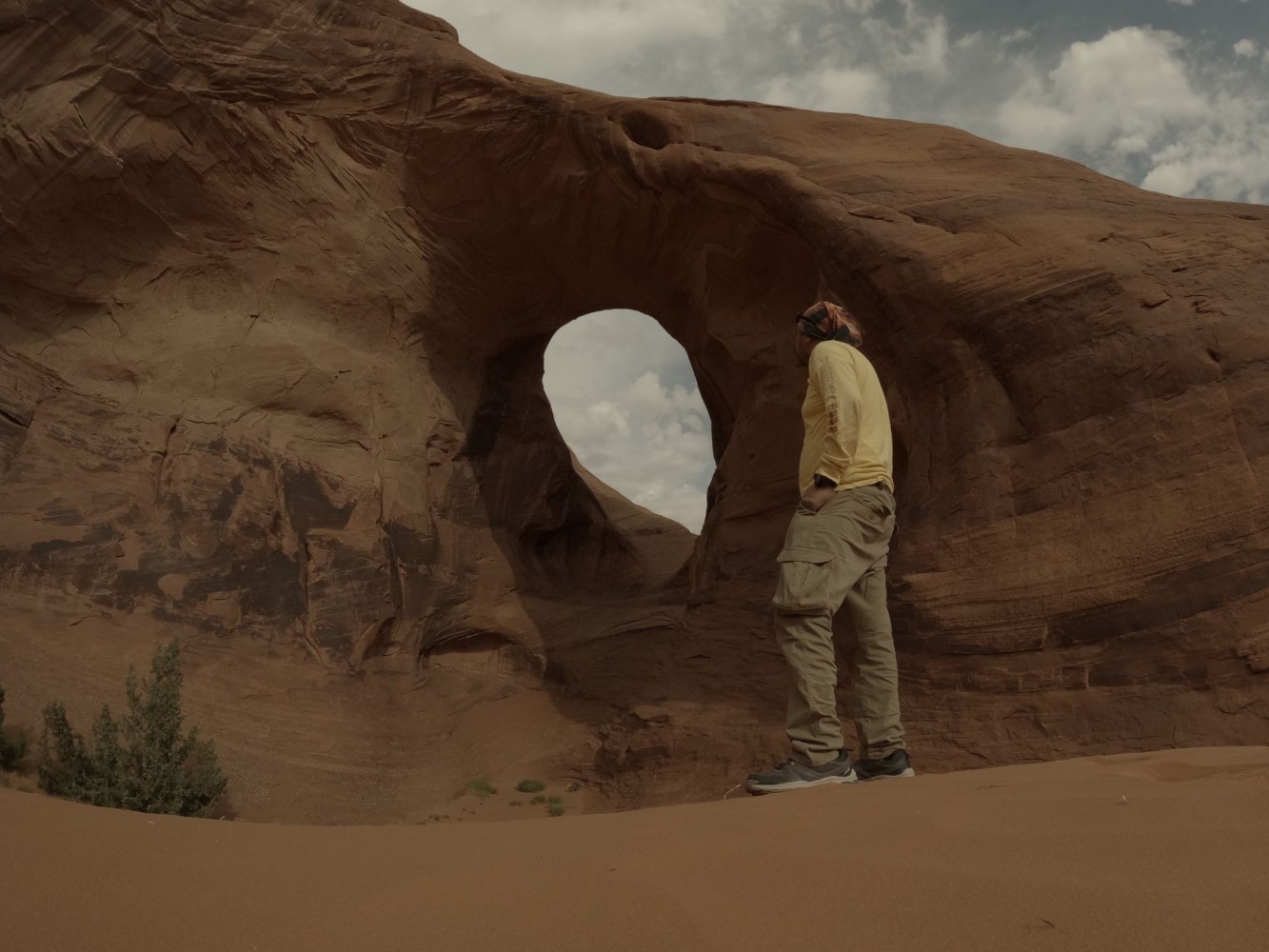
Our Backcountry 4WD Tour provides authorized access into restricted areas of Monument Valley, including places such as Ear of the Wind and areas with archaeological sites and petroglyphs.
That access should never be interpreted as permission to treat these places casually. Guests should follow their guide’s direction, leave cultural and archaeological resources undisturbed, and remember that the opportunity to visit comes with a responsibility to protect what is there.
Go Beyond the Famous View
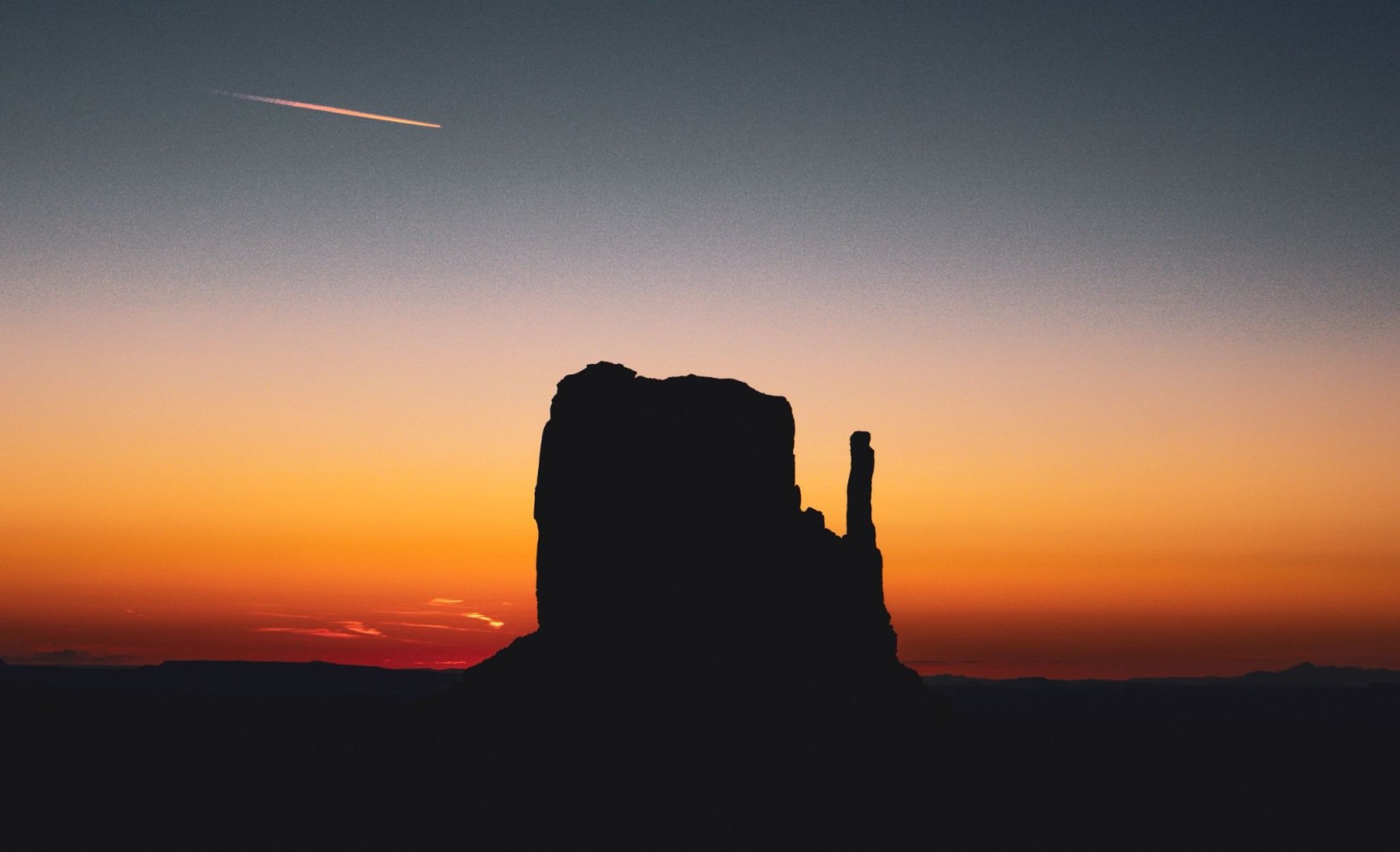
Millions of people recognize Monument Valley even if they have never been here. The Mittens, Merrick Butte, and the sweeping desert landscape have become symbols of the American Southwest. But recognizing a landscape is not the same as understanding it.
That is why our tours emphasize more than scenery.
Our Navajo guides bring history, geology, culture, and local knowledge into the experience. On the Backcountry 4WD Tour, guests can enter restricted portions of the Valley and visit locations that are not available through ordinary independent sightseeing. Navajo Nation Parks & Recreation confirms that places such as Ear of the Wind can only be accessed through guided tours.
For us, the value of going beyond the viewpoint is not simply that guests can see another formation.
It is that they have more time to ask questions, listen, learn, and place what they are seeing into a larger cultural context.
That is what turns sightseeing into a more meaningful Navajo cultural experience.
Be a Guest, Not Just a Visitor
Respectful travel often comes down to a simple idea: remember that you are a guest.
The Navajo Nation Tourism Department describes responsible tourism as something that should respect Navajo people, communities, sacred places, and the environment while creating opportunities for local families, Navajo-owned businesses, cultural preservation, and stewardship.
Travelers can put that idea into practice in straightforward ways.
Listen to local guides. Follow Tribal Park rules. Stay out of restricted areas. Purchase directly from local artisans when possible. Leave cultural and archaeological resources where they are. Ask before taking photographs of people. Be mindful that the places you are exploring may carry meanings that are not immediately visible to an outsider.
These actions do not require visitors to arrive as experts on Navajo culture.
They require curiosity and respect.
Carry the Meaning of Native American Heritage Month Beyond November
National Native American Heritage Month gives travelers a timely reason to learn more about Indigenous histories and cultures, but respect for Navajo heritage should never be limited to a single month.
Every person who comes to Monument Valley has an opportunity to experience the land with greater awareness.
Look beyond the famous skyline. Learn whose land you are visiting. Listen to Navajo voices. Respect sacred and restricted places. Support local communities when possible. Give yourself enough time to understand that Monument Valley is not simply scenery.
At Adventurous Monument Valley Tours, our Navajo-led experiences are designed to help guests do exactly that.
If your November travels bring you to Monument Valley, join us for a deeper look at the Valley on our Backcountry 4WD Tour. Travel beyond the public route with a local Navajo guide, learn more about the history and cultural significance of the landscape, and experience Monument Valley with the respect this sacred place deserves.
Native American Heritage Month may begin the conversation, but meaningful and respectful travel can carry it forward long after November ends.